Analog vs. Digital
Digital and analog technologies process information differently. Analog systems represent data continuously, while digital systems use a binary code. Analog signals are more prone to noise and less accurate with time than digital signals, which are more resistant and offer more precise results. Analog storage takes up more space and is more challenging to manipulate, while digital data is flexible and more useable for modern applications.
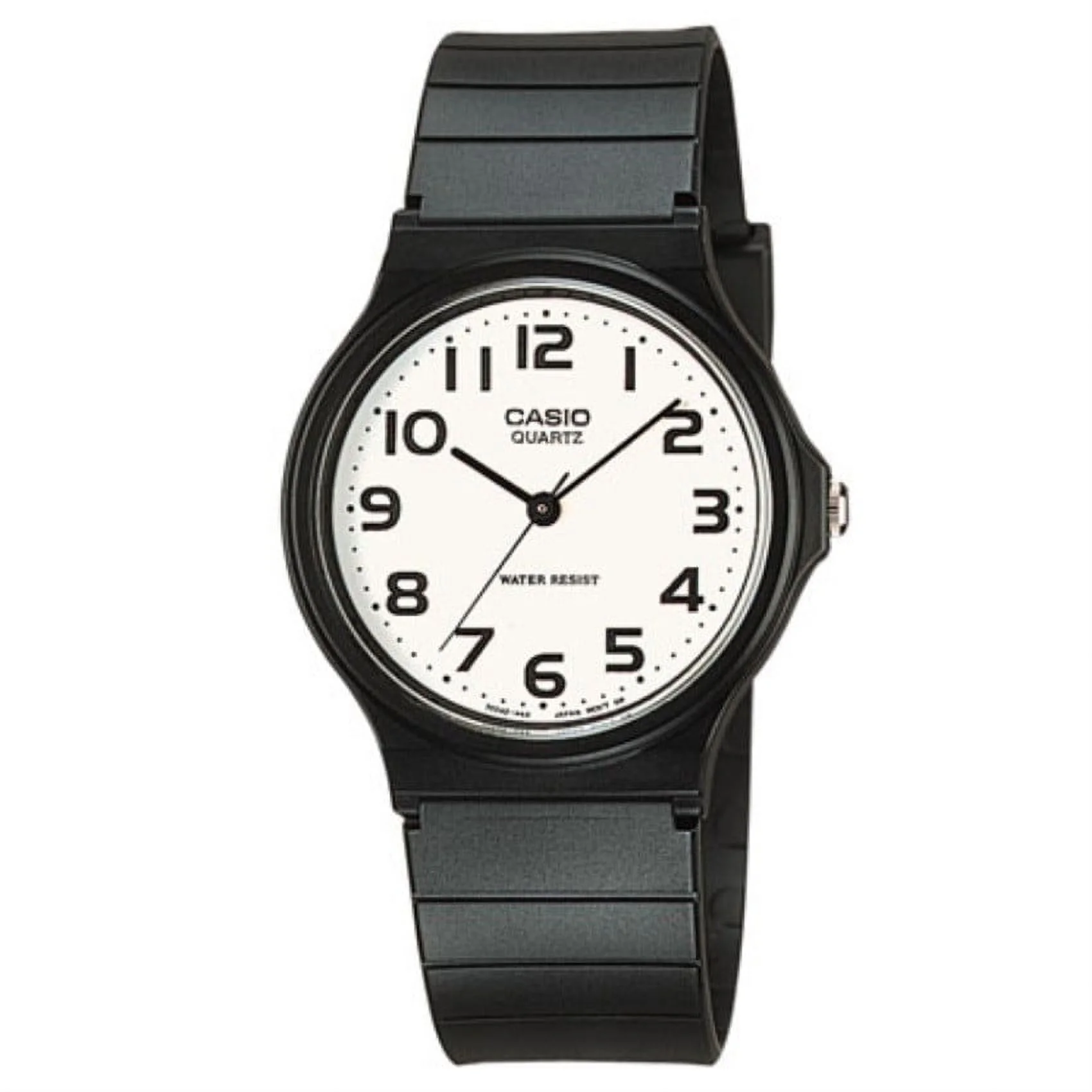
Analog media is often more old-fashioned. One example is an analog clock—the time continuous motion of the hands displays the hour, minute, and second. Another example is the radio. AM and FM radios use continuous wavelengths to pick up frequencies and receive signals. The last example is the acoustic guitar; the instruments’ strings are continuously vibrating.
Digital media is more common in modern technology. A digital TV uses binary data to create a clear picture. Another example is a pixel-based picture like a JPEG or PNG. The last example is a digital book like a Kindle.
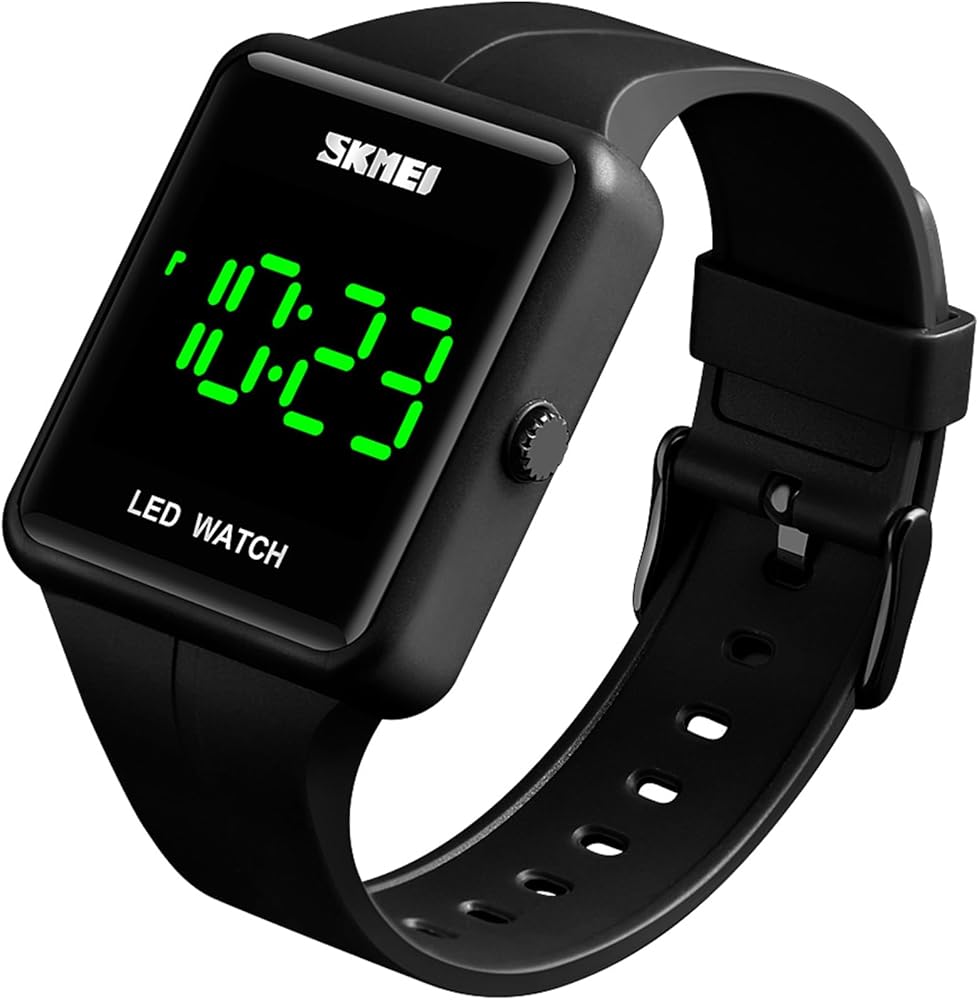
Some technology can be digital or analog, depending on how its made. A watch is a good example. An analog watch has the hands and shows the time through the hands pointing to the time, as seen in the left image. A digital watch shows the light through LED.